
Education is at the heart of the Ramakrishna Mission's activities. Beyond our Gadadhar Abhyudaya Prakalpa (GAP) initiative, we provide dedicated support spaces for local and tribal youth to ensure they receive not just academic tutoring, but true character-building education.
Ramakrishna Mission Students’ Home (Hostel Facility):
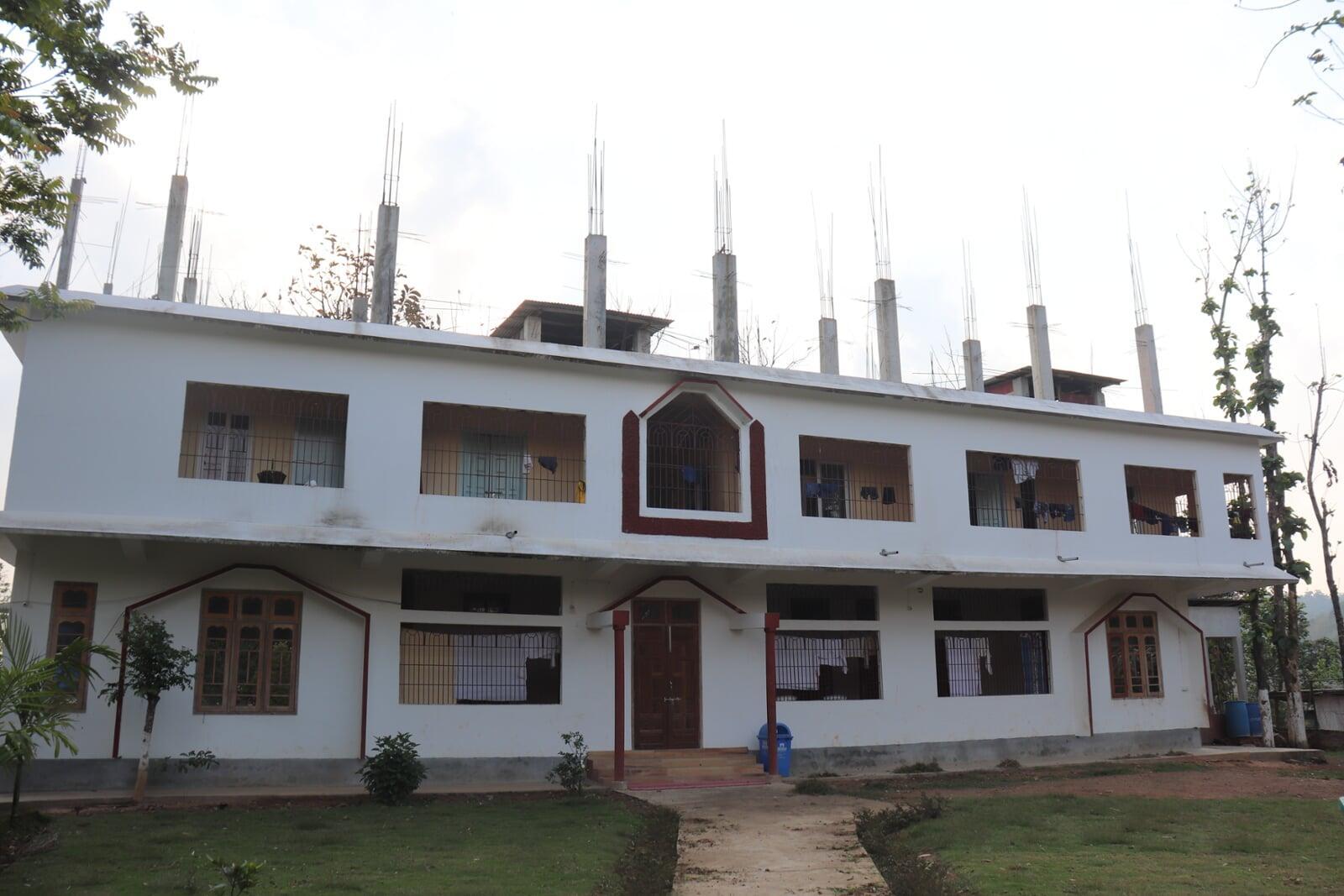
A Legacy of Dedication: Our History
The foundation of our residential service dates back to the very early years of our center. Following a sustained donation drive supported by local devotees beginning in 1947, construction on our first dedicated student hostel building—originally a historic tin-shed structure known as the “CHATRABAS”—was successfully completed in 1955. On 22 February 1956, this "CHATRABAS" was formally inaugurated, marking the official beginning of our mission to provide safe housing and care for deserving students in Haflong.
The Modern Students' Home
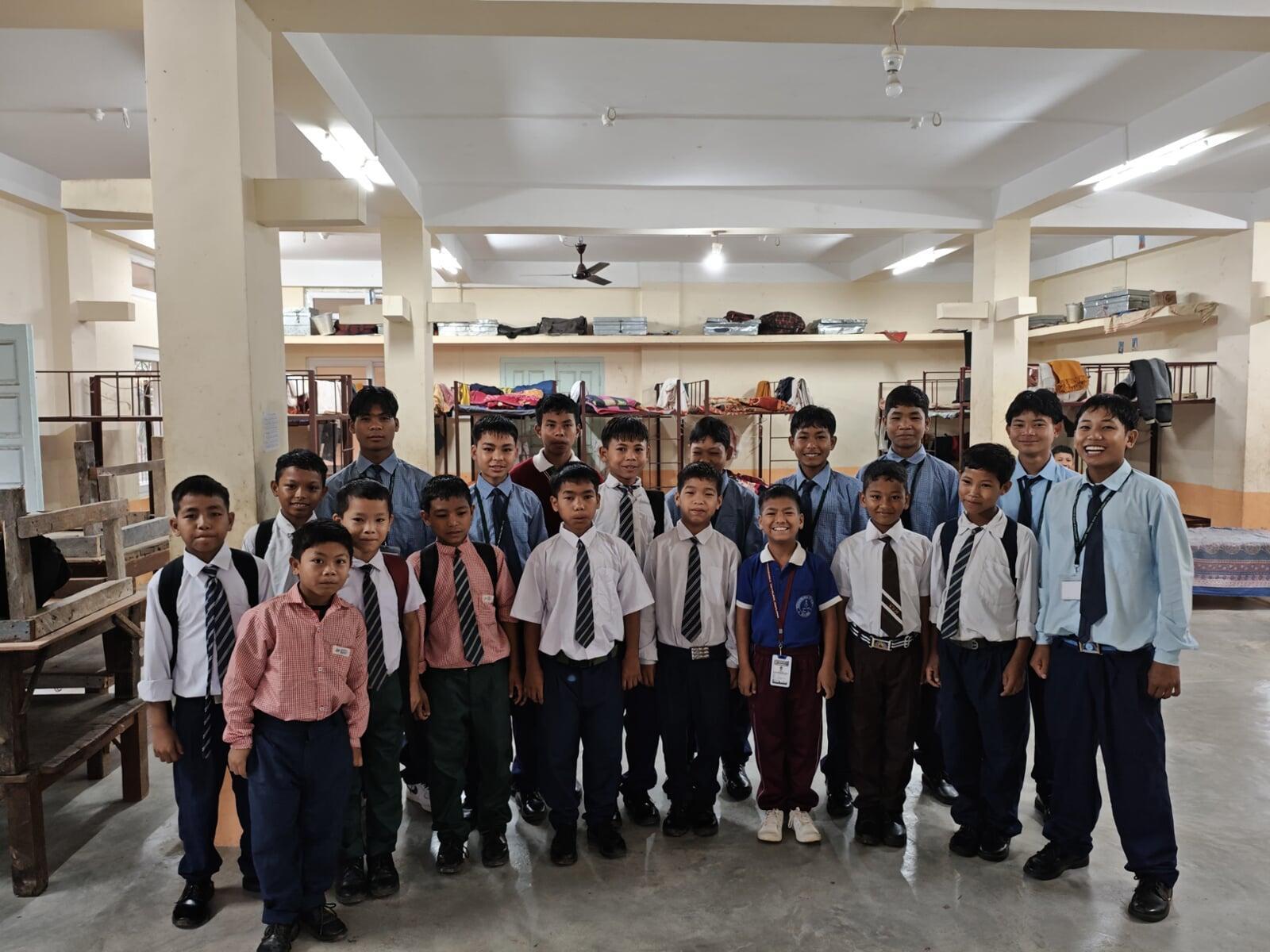
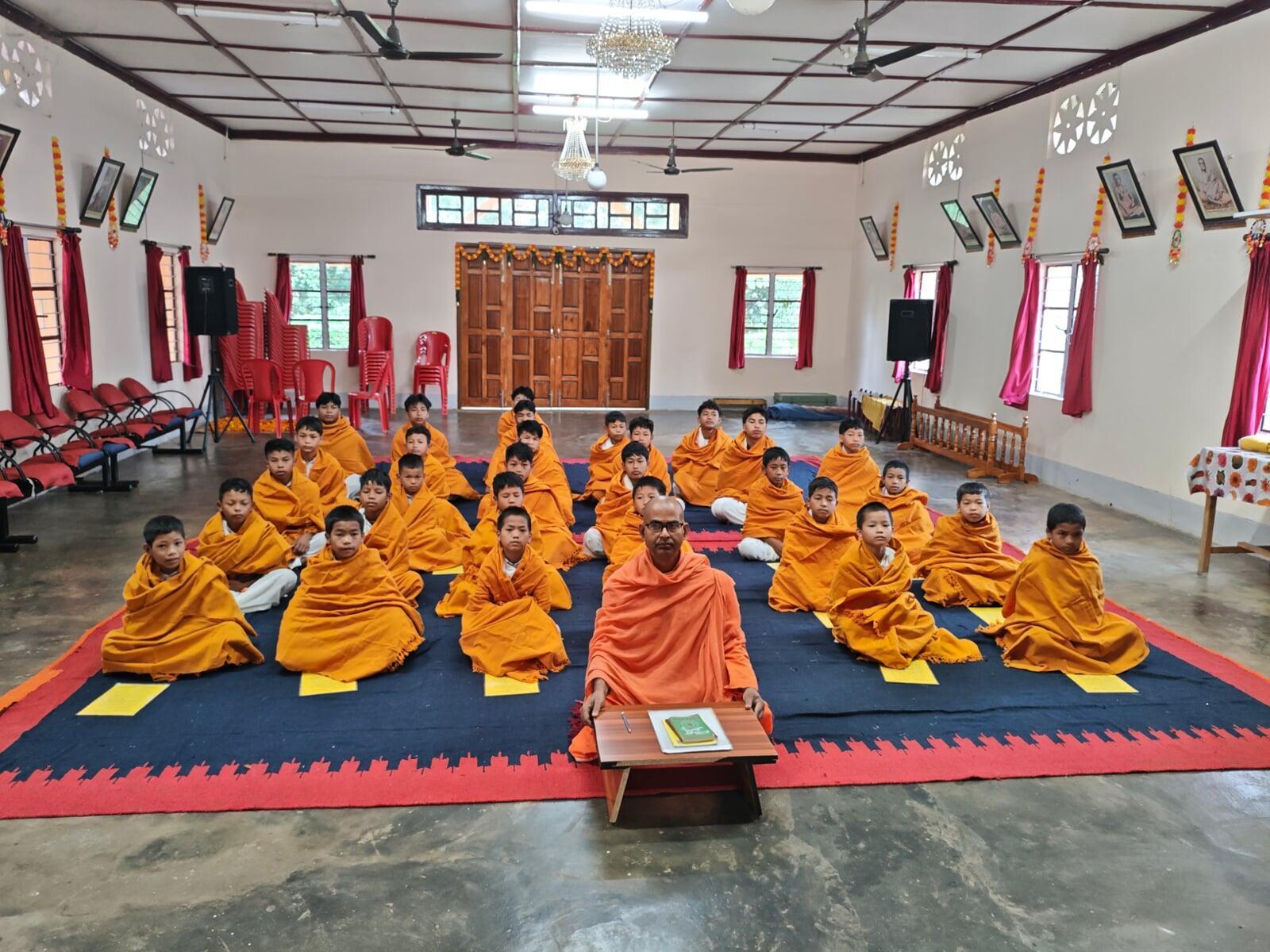
Today, building upon that same historic foundation, we operate a fully equipped, dedicated Students’ Home that provides a safe, secure, and nurturing residential environment for 50 tribal students from underprivileged backgrounds.
Our facility is designed to serve as a home away from home, ensuring every child receives the essential resources, care, and emotional support needed to build a bright and stable future.
Our Core Pillars of Care:
1. Academic Excellence & Coaching
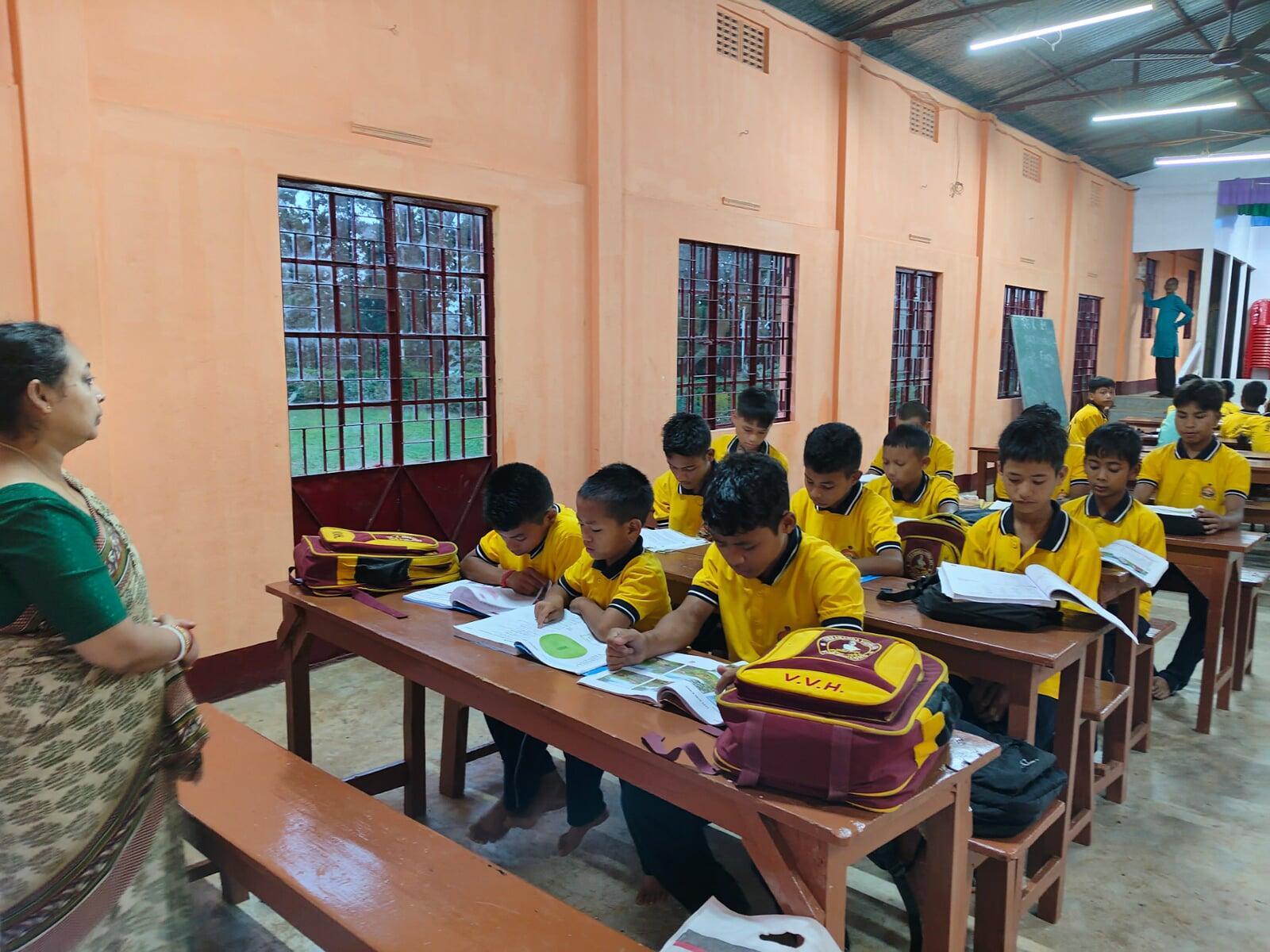
Formal Education: Our students are enrolled in various reputable local schools across Haflong to pursue their formal academic education.
Structured Evening Coaching: To support their learning outside the school classroom, we arrange regular, structured coaching classes directly within the hostel premises. Dedicated tutors guide the students through their daily lessons, help clarify difficult concepts, and prepare them thoroughly to excel in their board and school examinations.
2. Holistic Growth & Character Building
We believe true education extends beyond textbooks. To support the physical, mental, and spiritual well-being of our residents, our daily routine includes:
Physical Wellness: Regular training in Yogasanas and physical exercises to build health, discipline, and focus
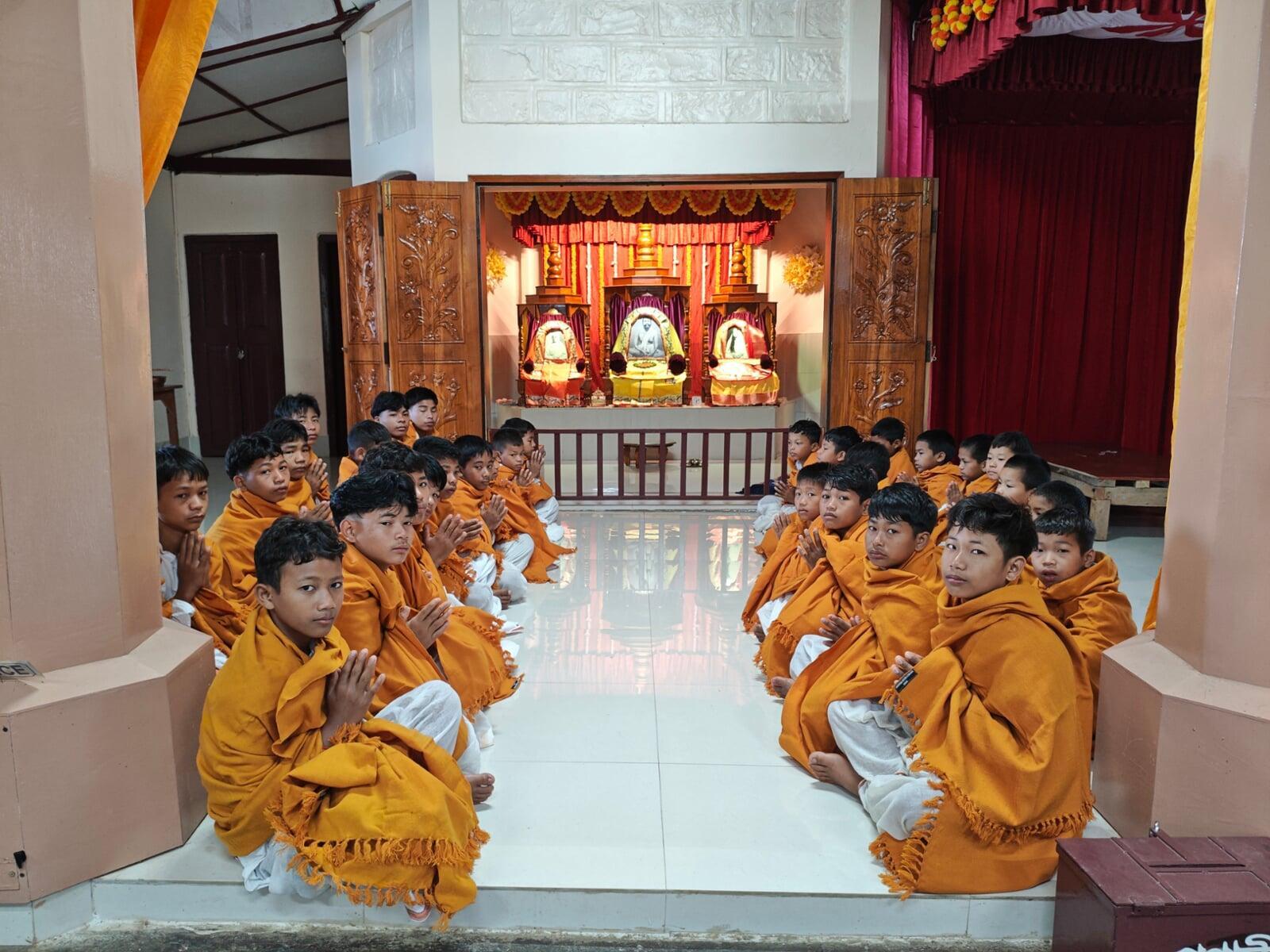
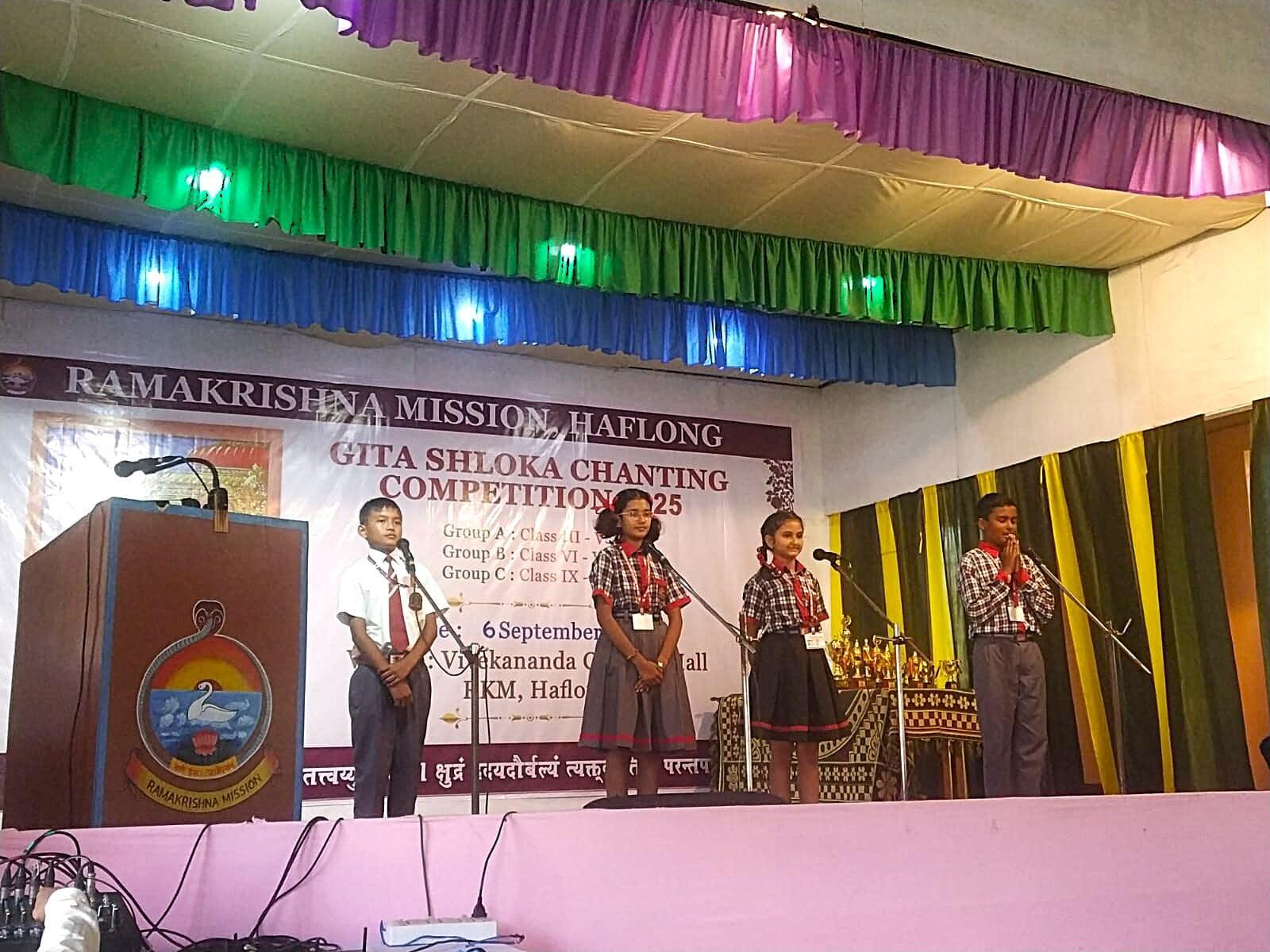
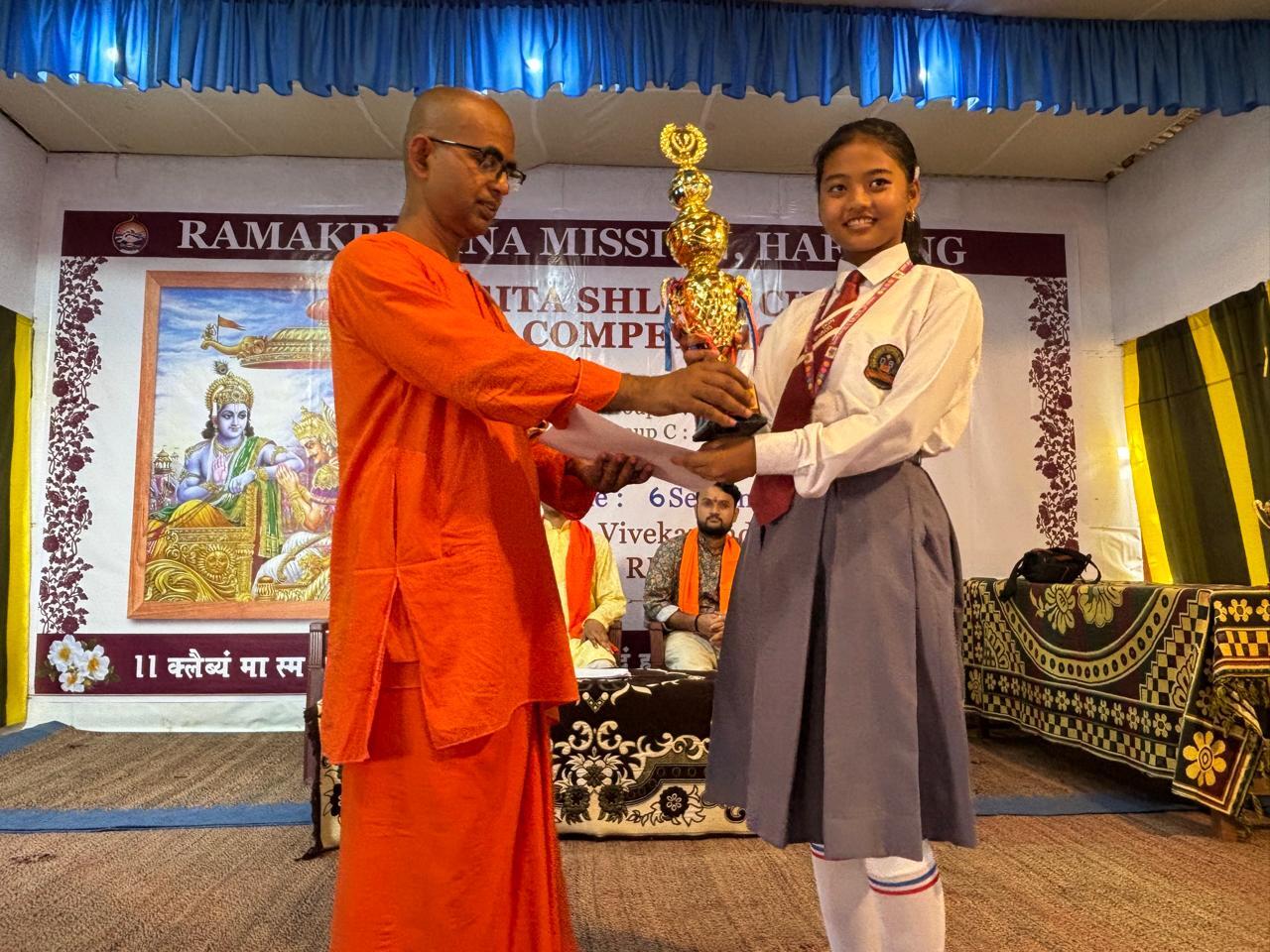
Cultural & Scriptural Roots: Teaching the correct pronunciation and rhythmic chanting of the Srimad Bhagavad-Gita and traditional Vedic mantras to enhance memory and sharpen intellect.
Spiritual Devotion: Group singing of devotional bhajans and prayers during evening assemblies, fostering a deep sense of peace, ethical values, and community fellowship.

Vivekananda Study Circle (For Juniors):
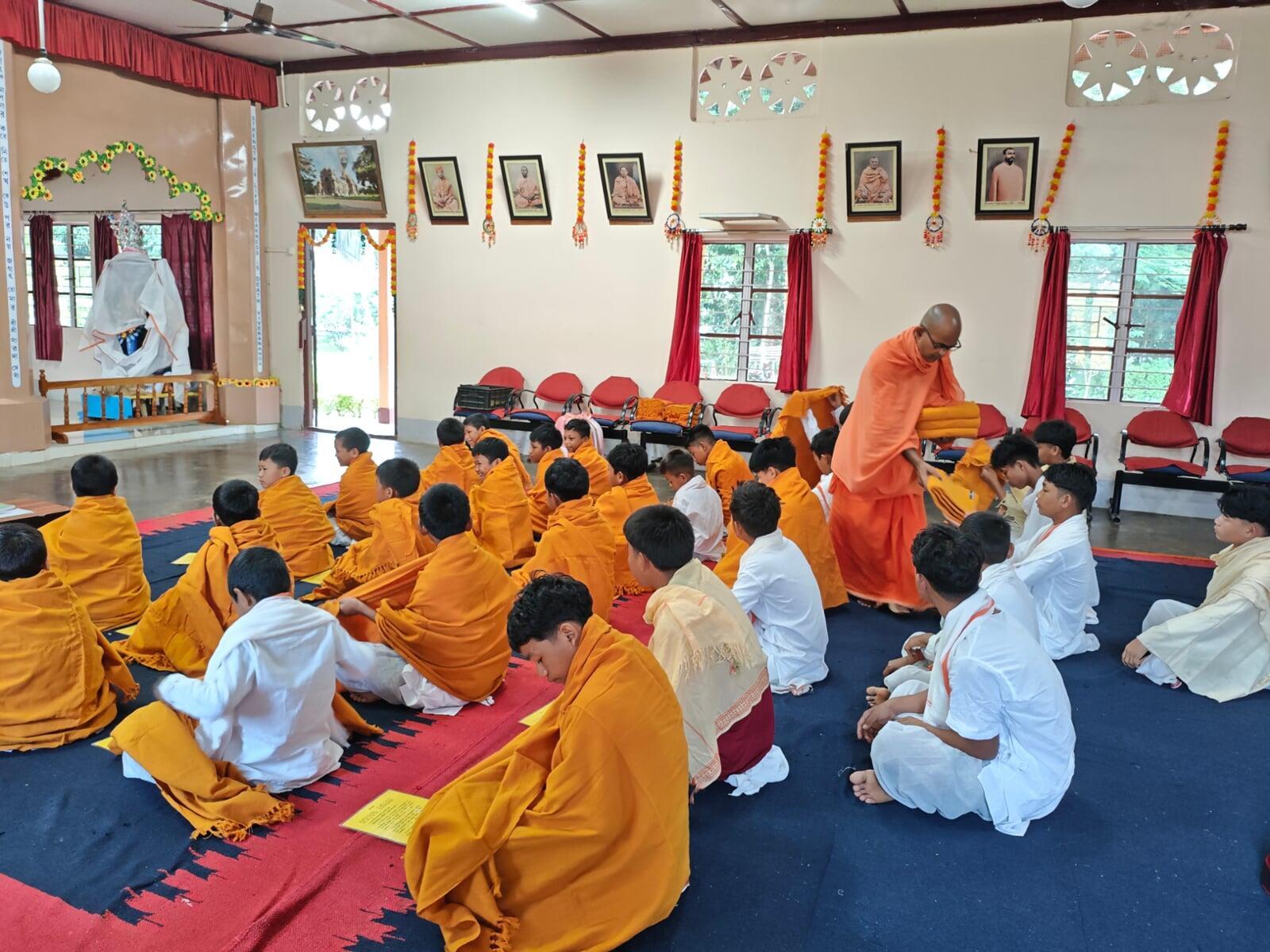
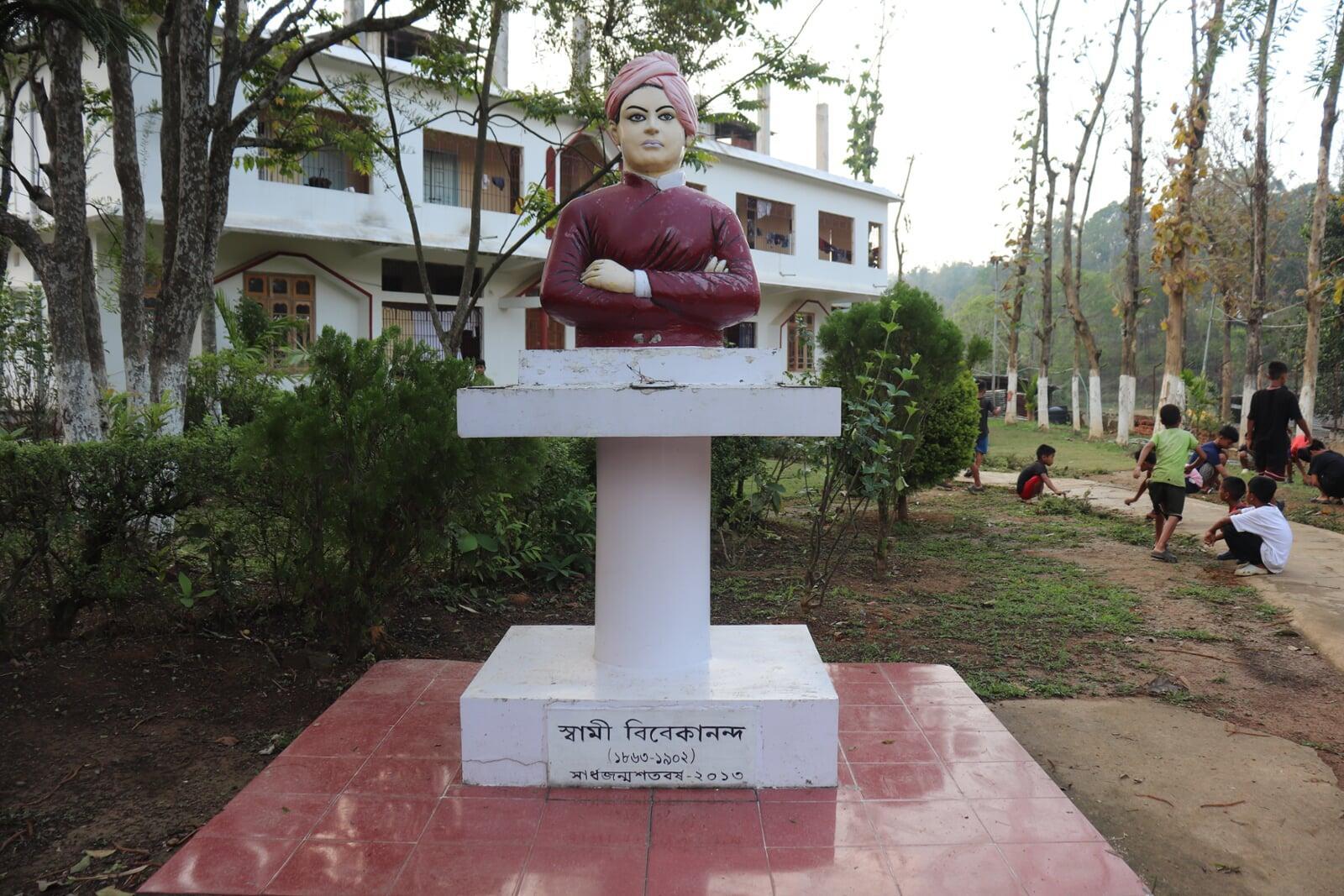
To catch young minds early and instill strong moral values, we run a weekly Vivekananda Study Circle specifically designed for junior children (currently a close-knit group of 5 to 8 students).
2. Holistic Growth & Character Building
We believe true education extends beyond textbooks. To support the physical, mental, and spiritual well-being of our residents, our daily routine includes:
- What They Learn: The weekly classes focus on Vedic mantras and Gita chanting. More importantly, the children are taught inspiring incidents, stories, and powerful utterances from the life and teachings of Swami Vivekananda to build their self-confidence and moral compass.
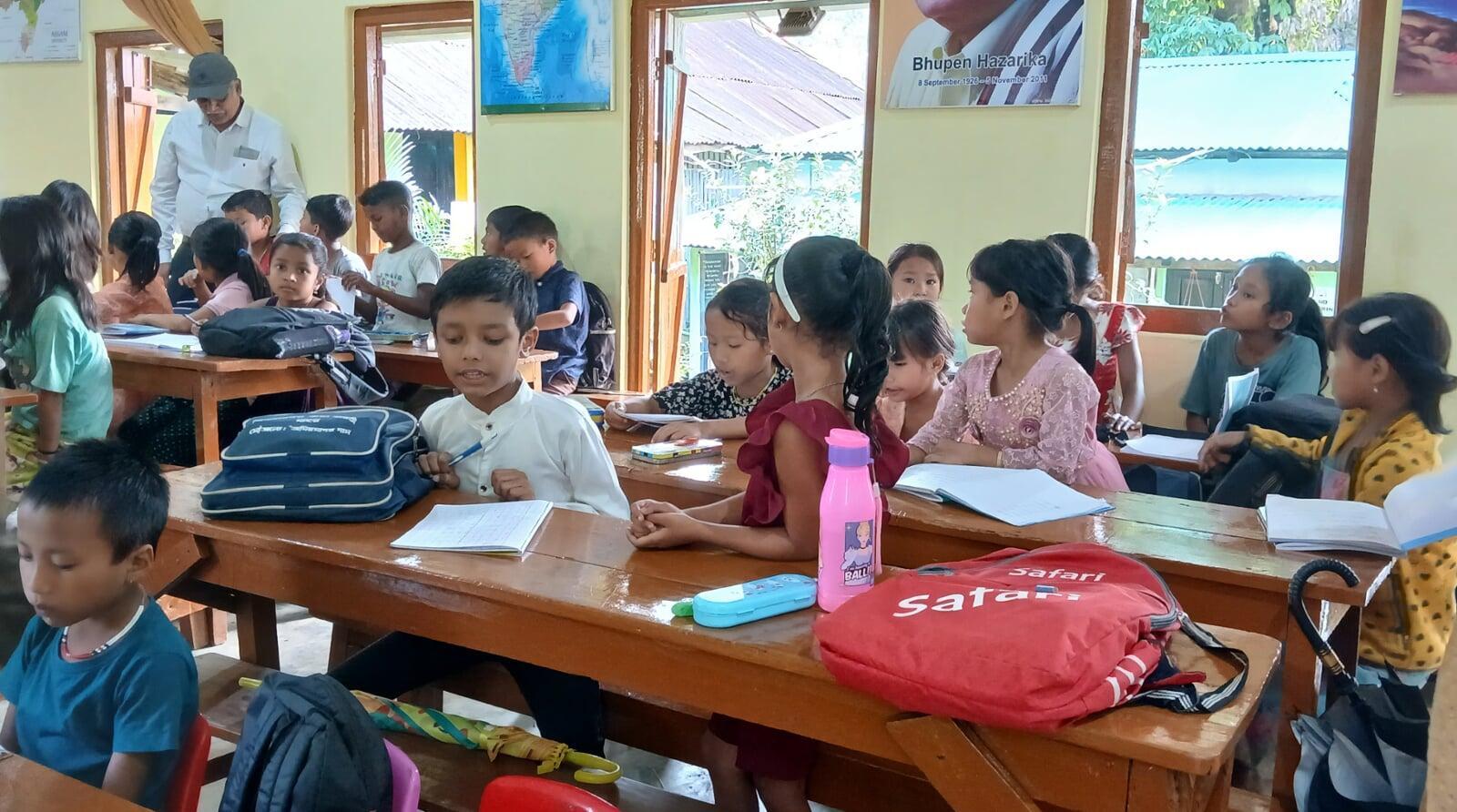
Gadadhar Abhyudaya Prakalpa (GAP) – Empowering Our Children
Background & Vision
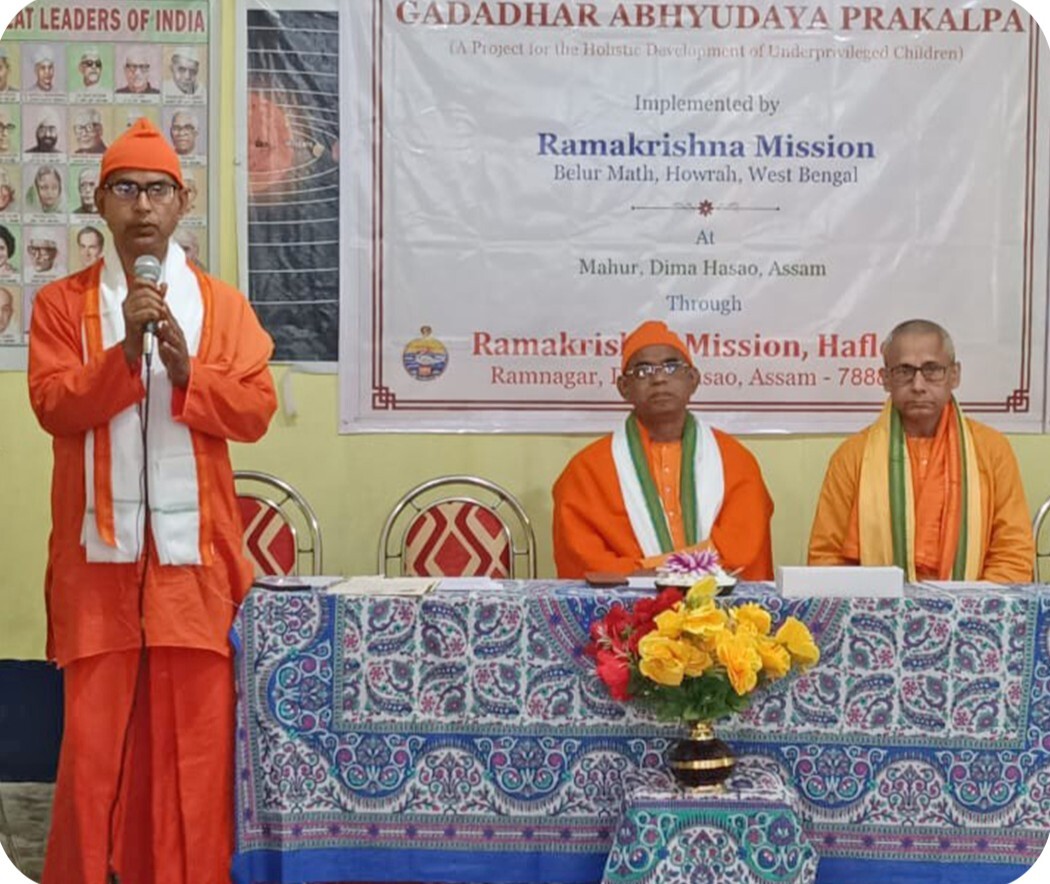
The Milestone Launch & Our Mahur Unit
The journey of our first HQ-funded GAP unit (Unit No. 11) began on Buddha Purnima, 12 May 2025, with a grand inauguration at Mahur. The program opened with a lamp-lighting ceremony, floral offerings to Swamiji, and Vedic chanting and songs by the students of Ramakrishna Mission Students’ Home, Haflong.
The gathering was inspired by powerful messages of encouragement from esteemed speakers, including Swami Amiteshananda (Secretary, RKM Haflong), Swami Atmalokanandaji Maharaj (President, Ramakrishna Society Vedanta Centre, Moscow), Sri Raghuraj Baidya (Additional District Commissioner), and Swami Achyuteshanandaji Maharaj (Trustee, Ramakrishna Math & Mission), who delivered the Presidential Address.
The ceremony concluded with the recitation of Swamiji’s Swadesh Mantra and the distribution of tiffin to all 125 participants, which included monastics, government officials, teachers, parents, local devotees, and well-wishers.
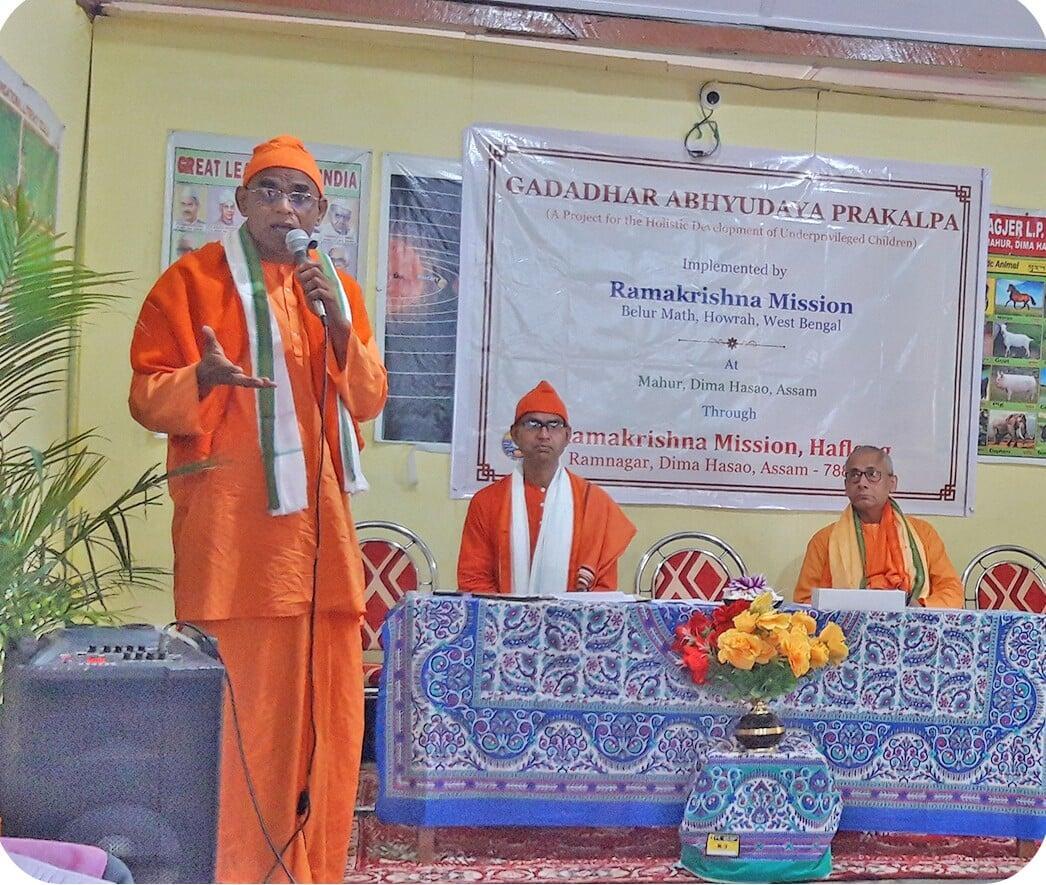
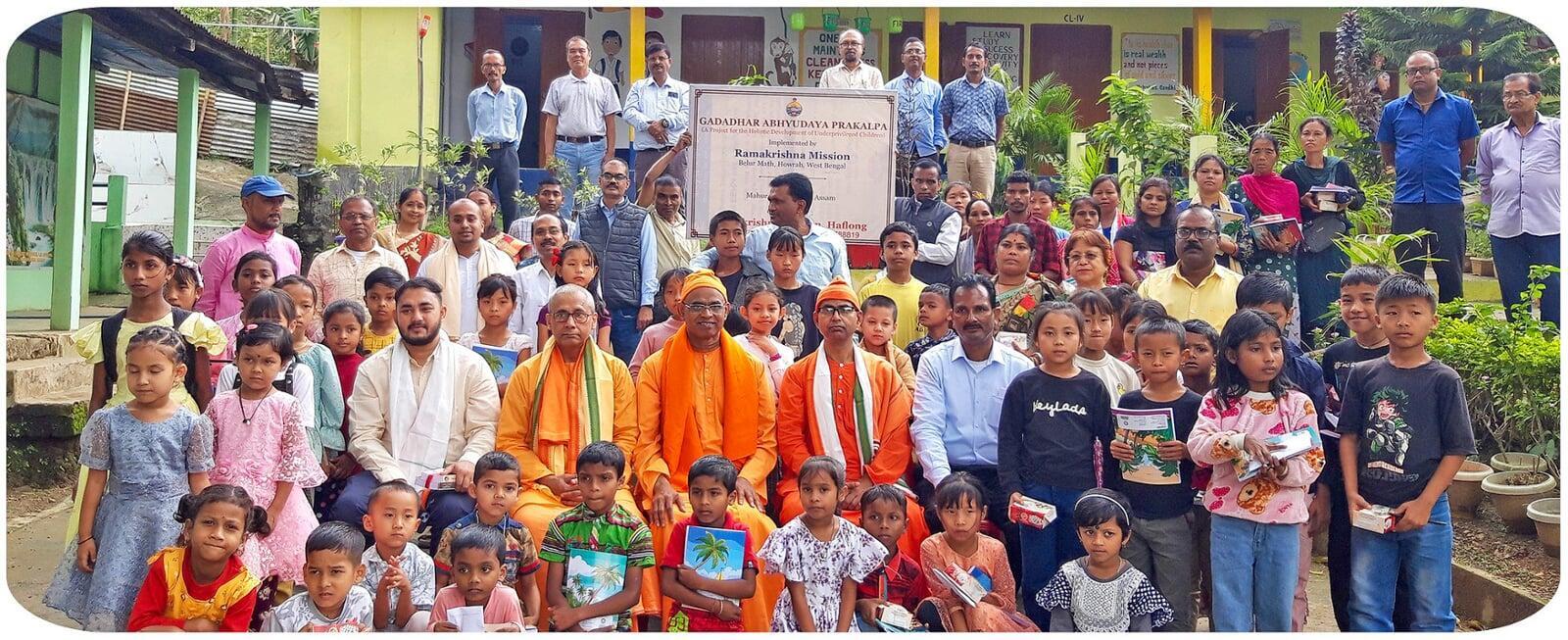
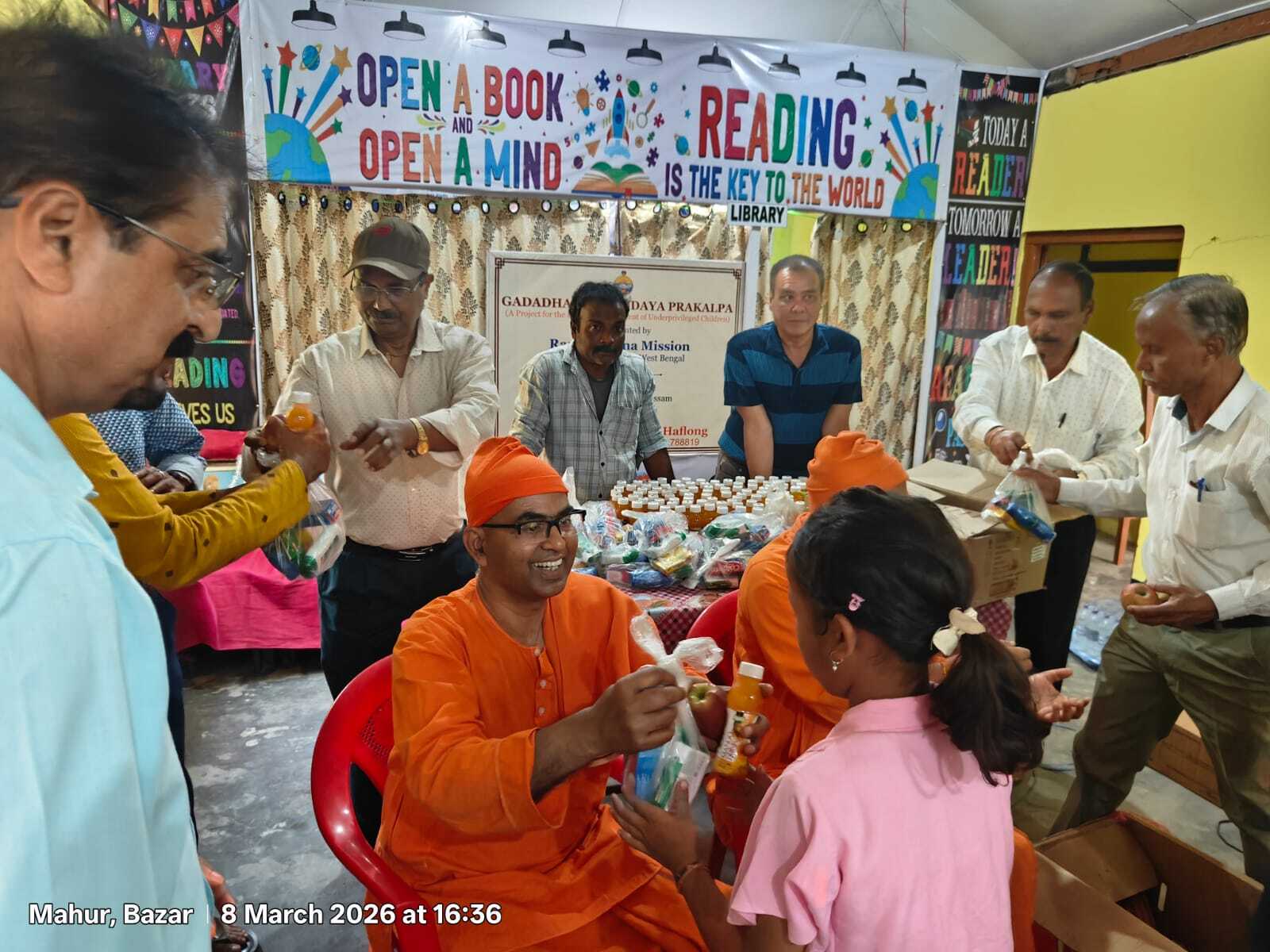
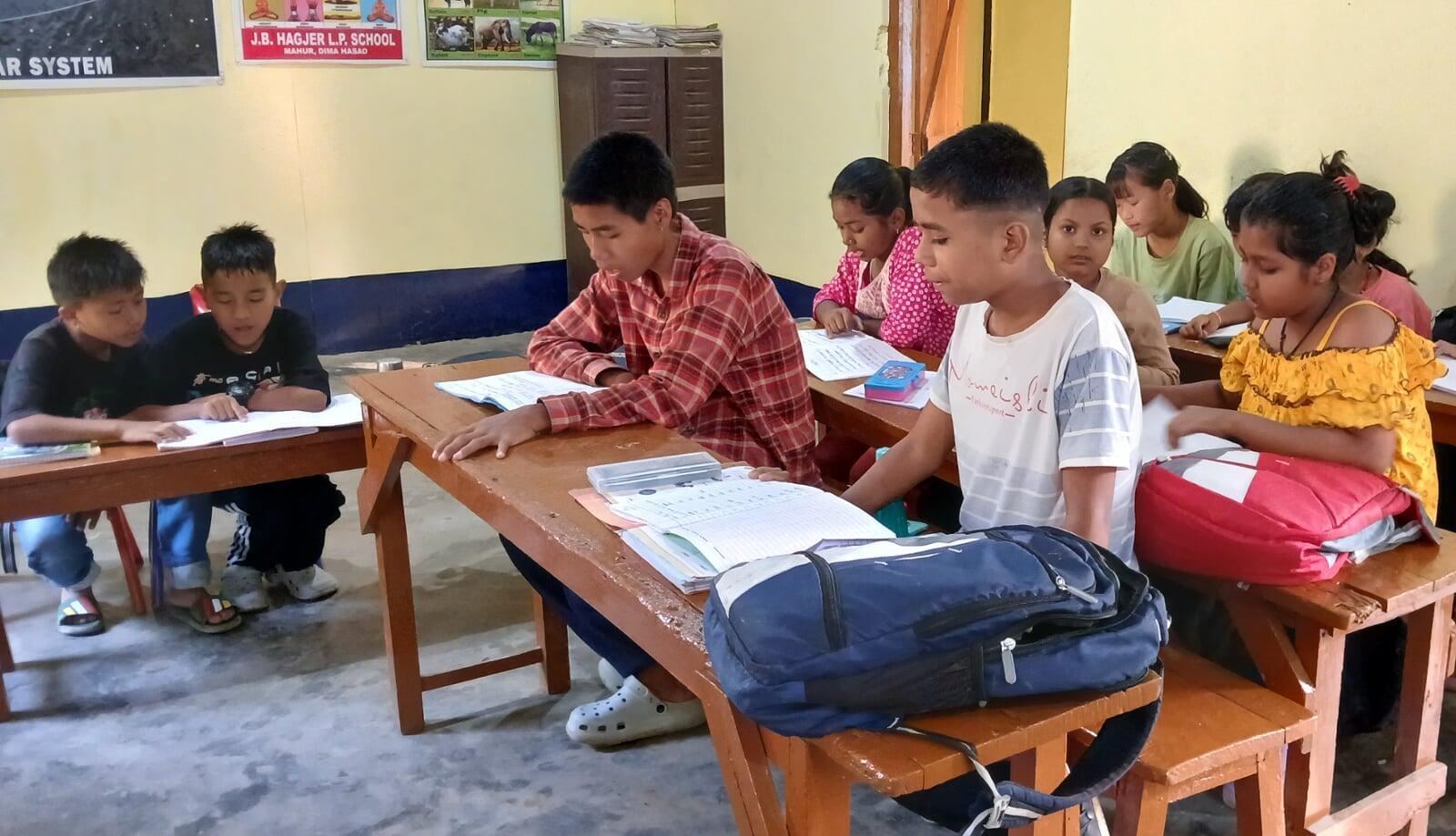
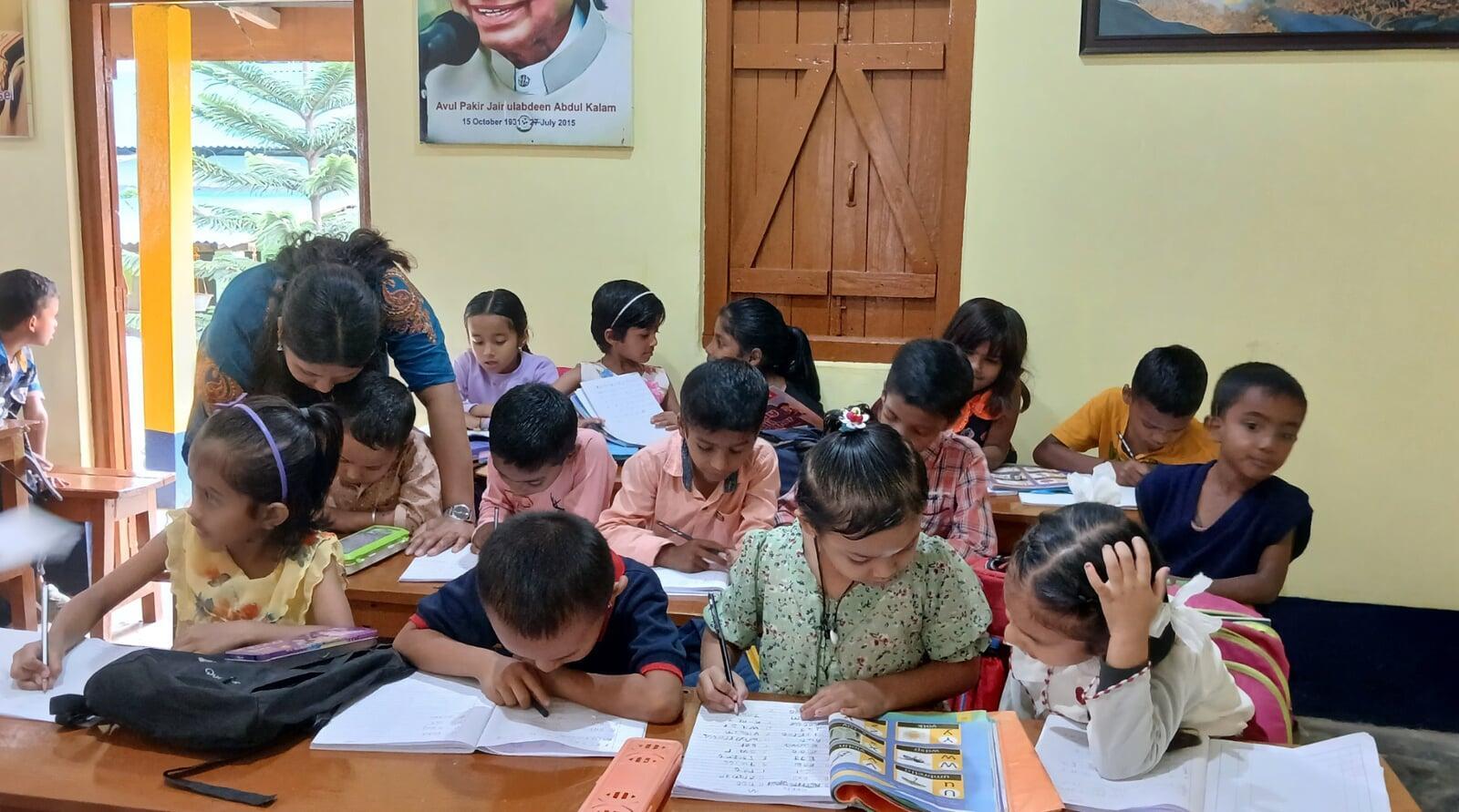
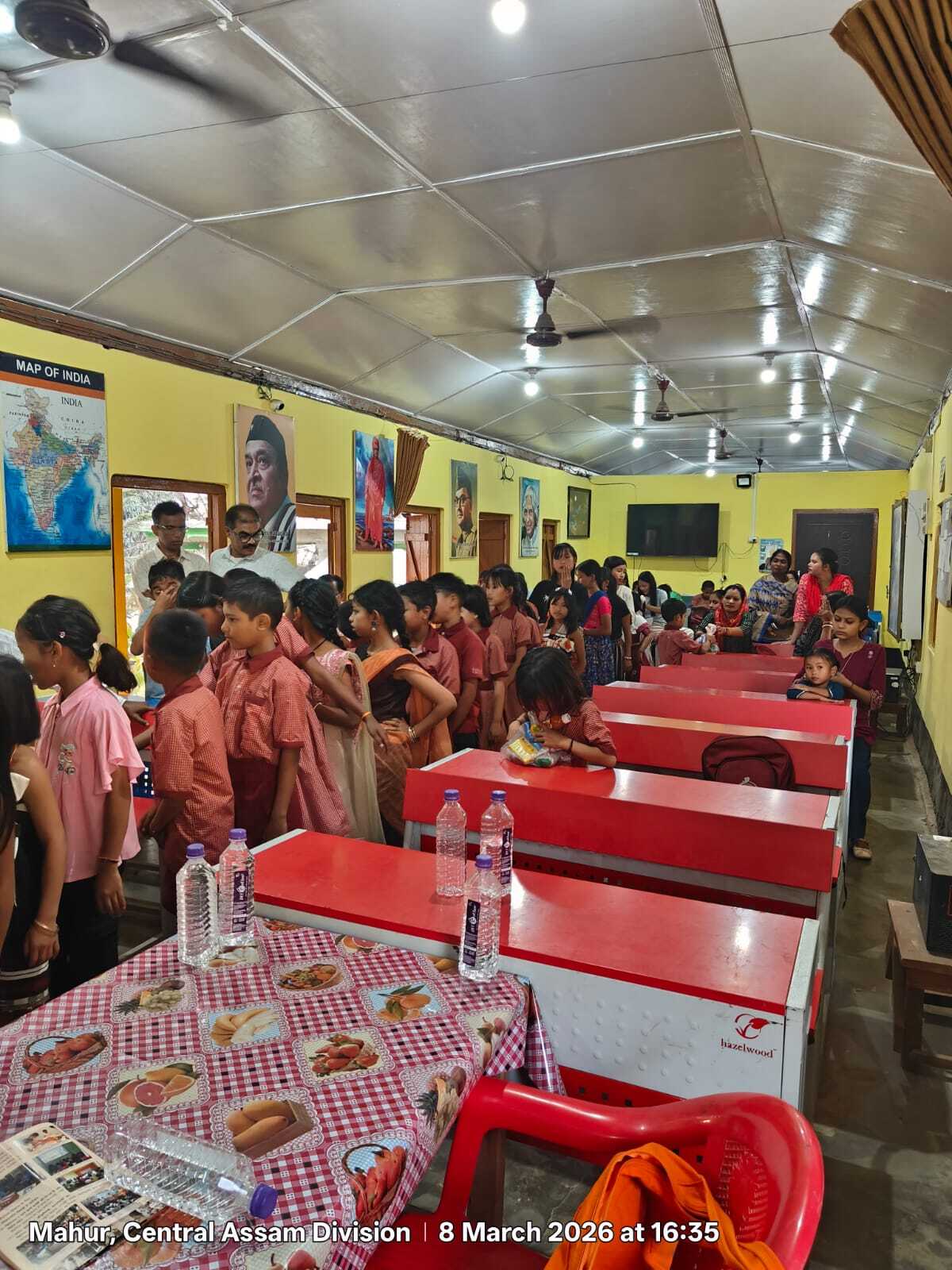
Today, this unit is actively running at the Mahur J B Hagjer Memorial LPS, located approximately 40 km from our main Haflong centre. We currently support 58 registered children from Class I to Class V, providing them with the environment they need to become confident, educated, and healthy citizens of India.
The Milestone Launch & Our Mahur Unit
The class-wise breakdown of our students includes:
- Class I: 15 children
- Class II: 11 children
- Class III: 12 children
- Class IV: 9 children
- Class V: 11 children
Community Reach: Our project actively serves children coming from 17 surrounding areas and villages, including Tungje, Tungje Punglo, N.E.C. Colony, P.W.D. Colony, Rly Colony, Poter Camp, Tila Bosti, Mahur Bazar, Saron, Laisong, Choto Laisong, Jangli Bosti, Kapailua, Longkhai (including N. Longkhai), Guilong, Nrianaam, Harailo, and Katang. These children primarily belong to low-income Zeme, Naga, Bengali, Nepali, and Dimasa families whose parents are subsistence farmers, daily wage laborers, or small business owners facing severe financial hardships.
Our Core Aims
Nourish children for healthy physical development.
Educate them with special coaching in their school subjects.
Inculcate a strict sense of cleanliness, personal health, and hygiene.
Instill strong moral, cultural, and spiritual values.
Prepare them to be responsible, service-minded citizens.
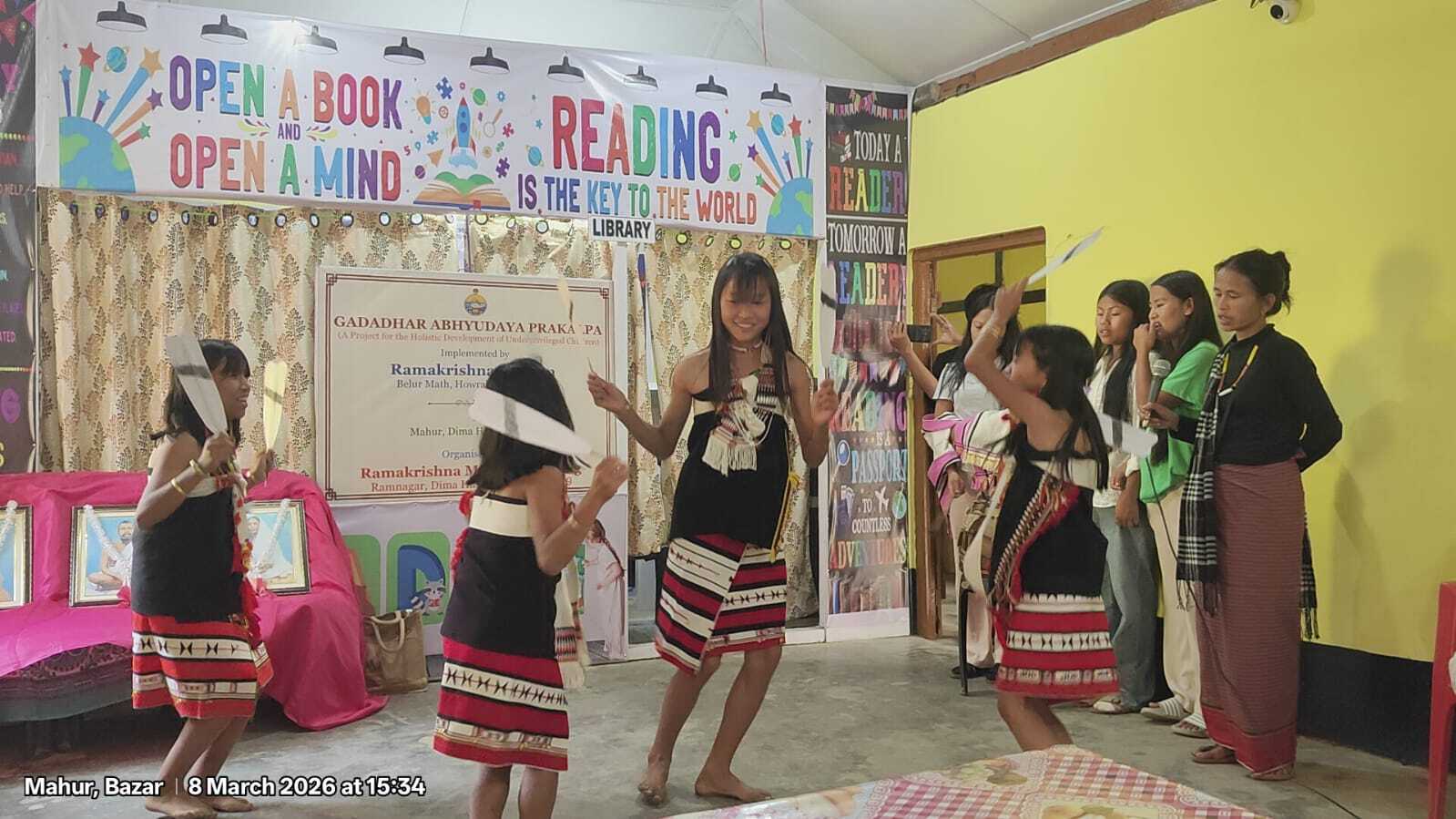
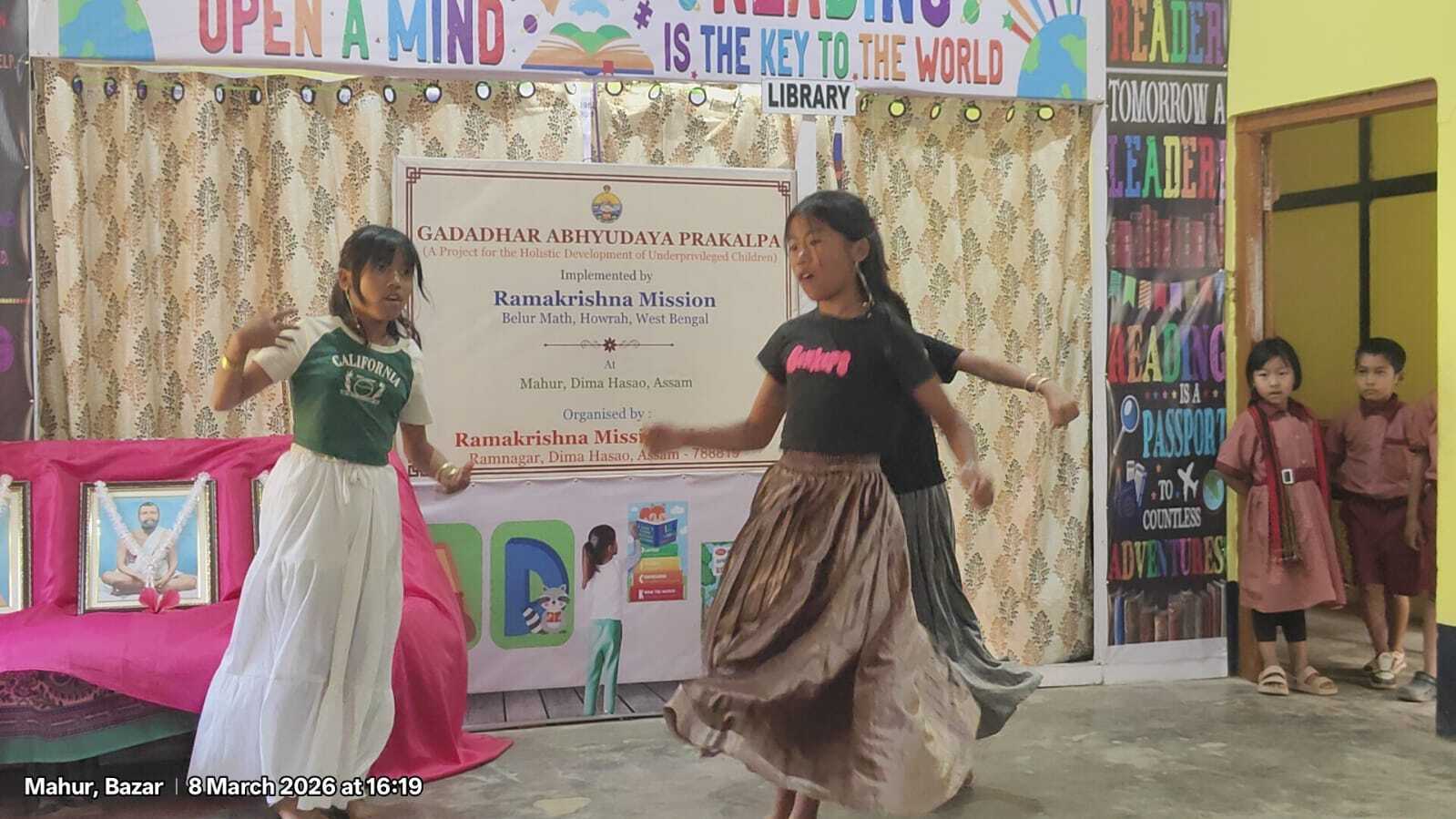
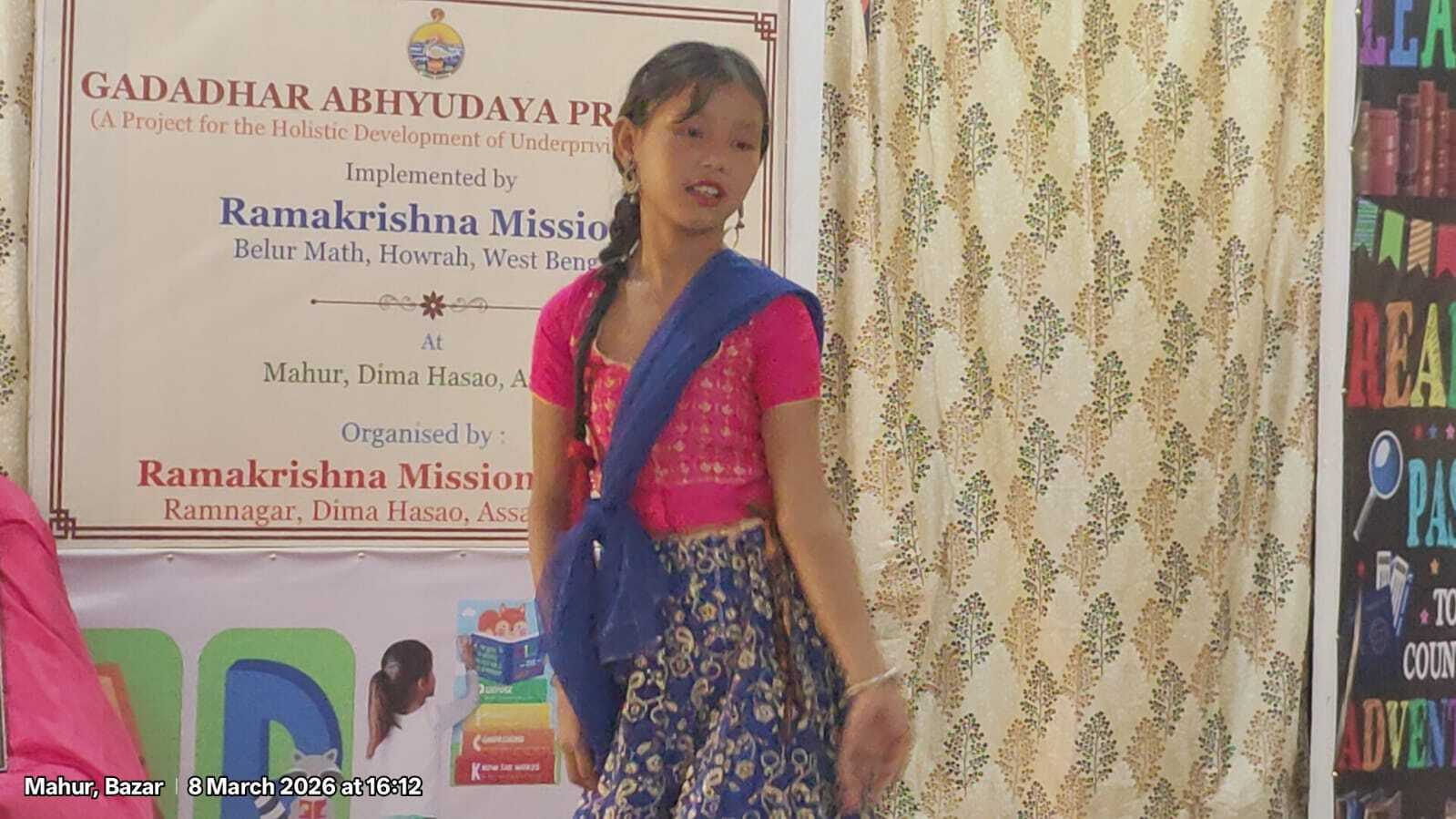
How we Support the Children
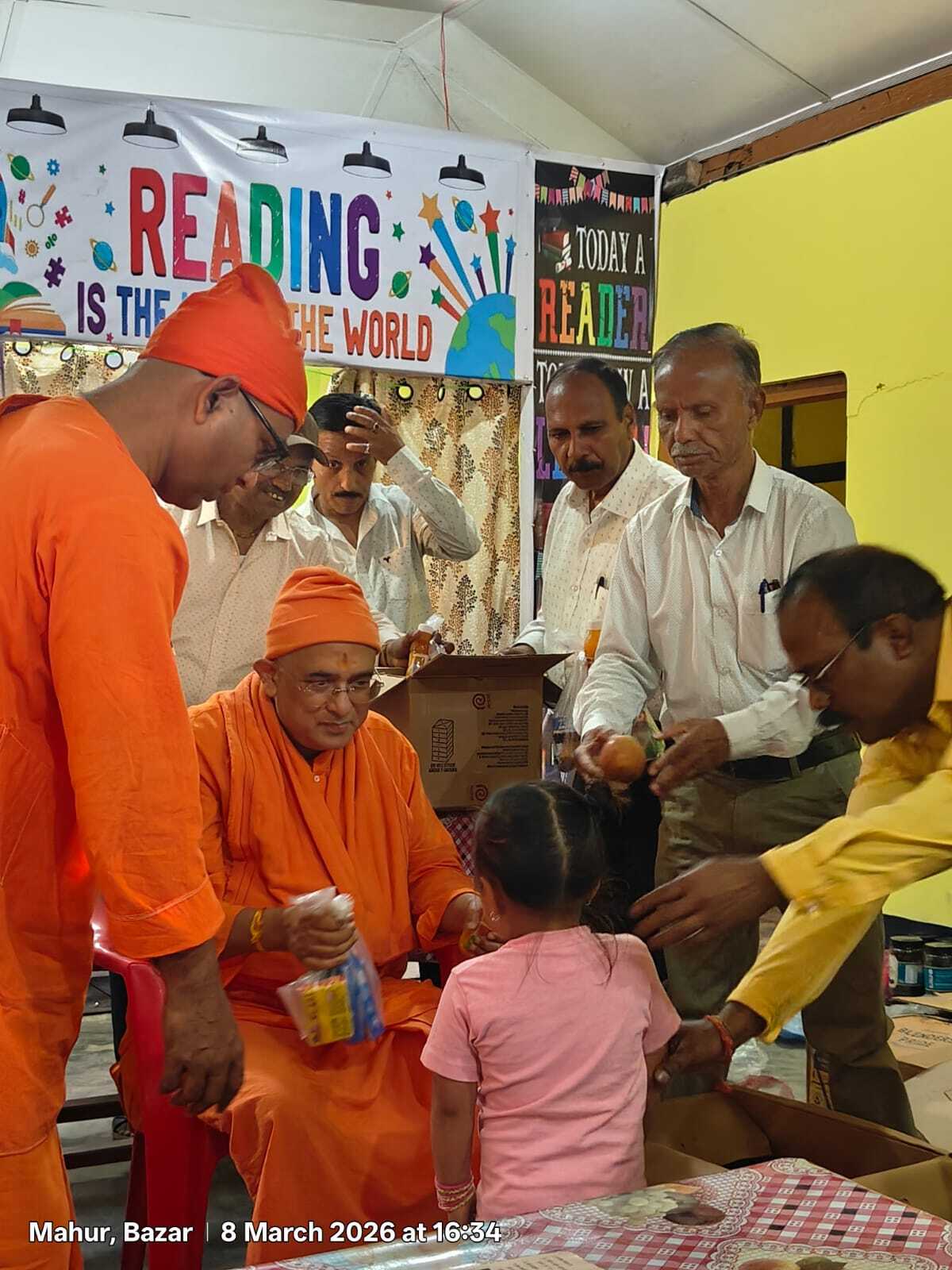
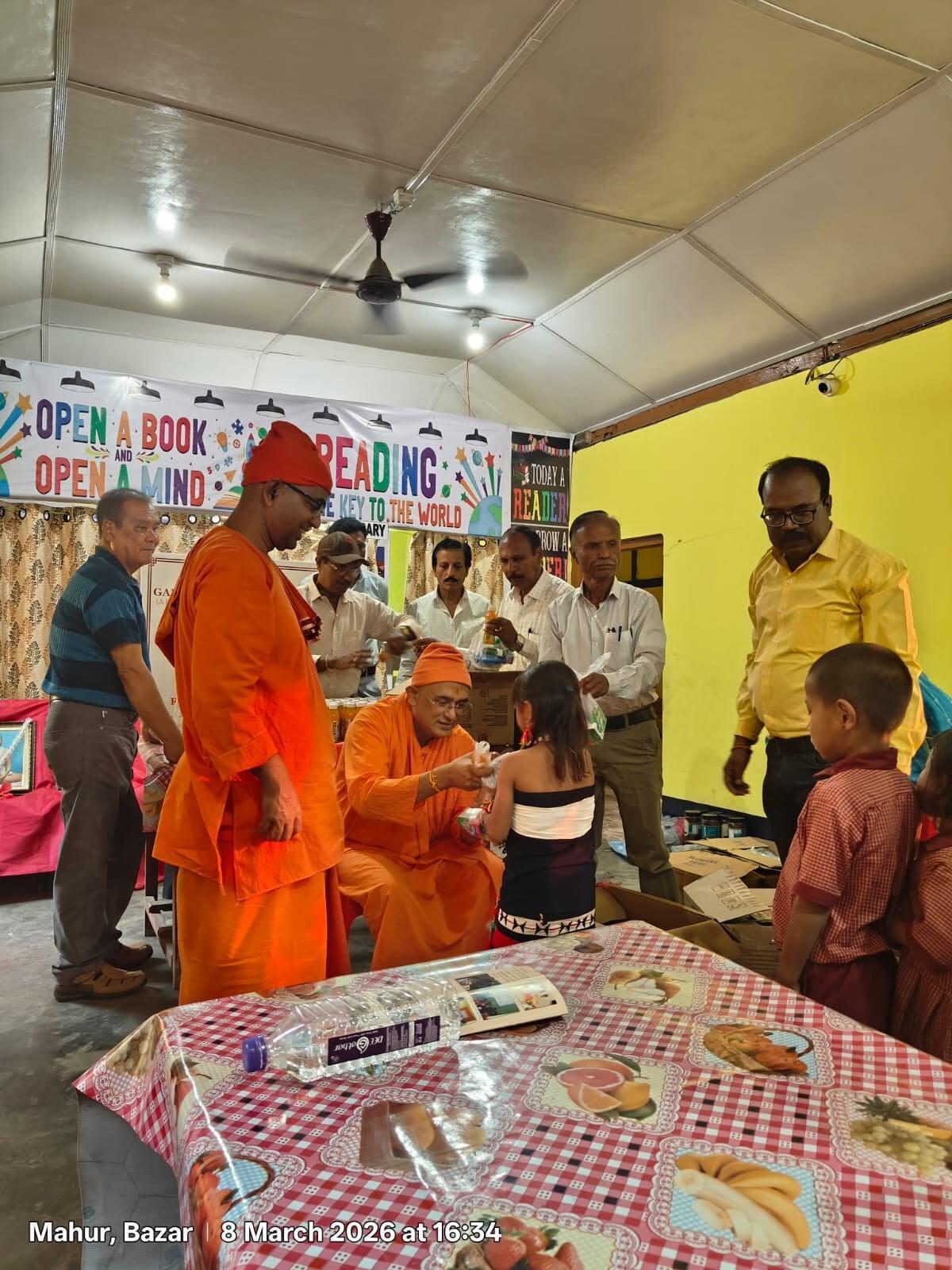
We provide a comprehensive safety net to ensure our children grow up healthy, active, and strong.
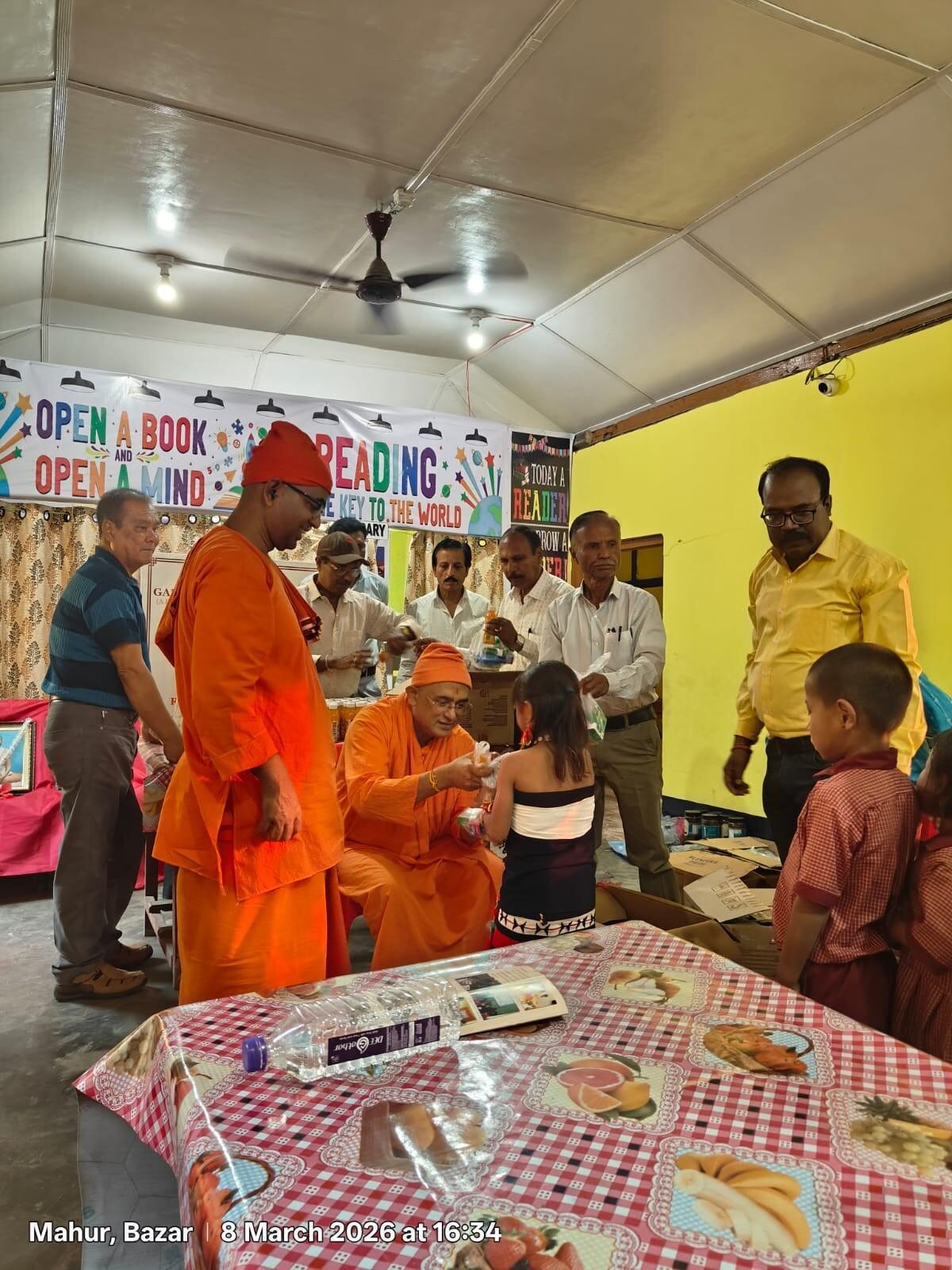
Nutritive Food Scheme: A structured weekly menu provides daily dry fruits (dates, cashews, or almonds) paired with milk, biscuits, eggs, bread, bananas, noodles, or traditional snacks like singara and muri.
Material Support: Children are equipped with school uniforms, school bags, notebooks, pencils, erasers, crayon pencils, umbrellas, footwear, and personal toiletries (toothbrush, toothpaste, body soap, and washing soap). They are also given individual utility items like a personal glass and bowl for their meals.
Periodic Health Camps & Awareness: We organize regular medical check-up camps led by dedicated medical officers, including Dr. Ajoy Paul and Dr. Sandip Nath. These camps are paired with interactive health awareness sessions focused on hygiene and self-care.
Continuous Growth Monitoring: To closely track development, children undergo quarterly height and weight measurements alongside extensive medical screenings, including Blood Group, CBC, FBS, LFT, KFT, and Vitamin D3 profiles.
Free Medicines & Supplements: All prescribed medicines, multi-vitamins, and specialized tonics for malnourished children are provided entirely free of cost.
Critical Medical Intervention: When severe health issues are detected, we step in fully to sponsor the patient's medical referrals, advanced hospital treatments, and full financial care.
Fitness: Children participate in routine free-hand exercises, sports, skipping rope, and football.
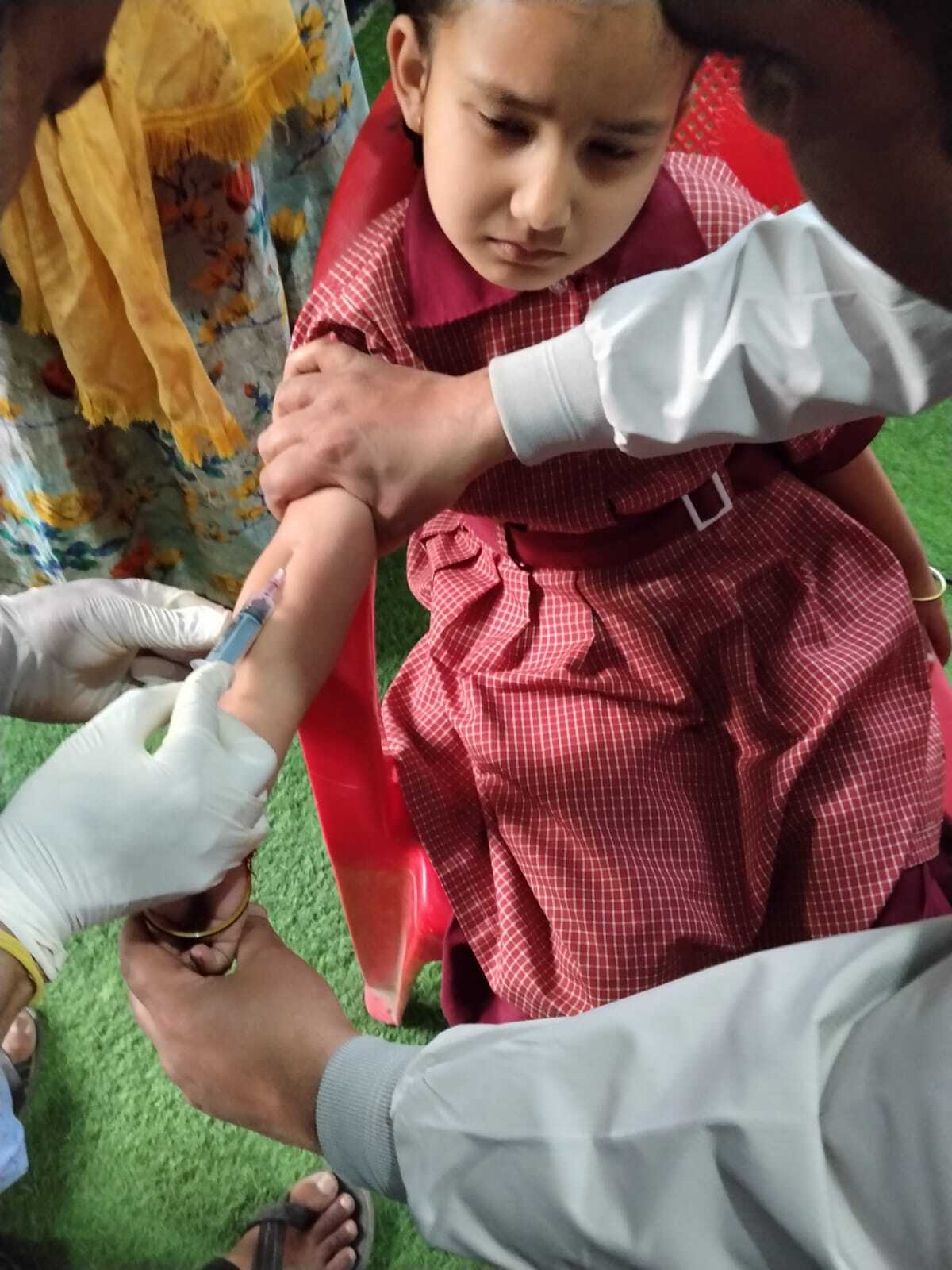
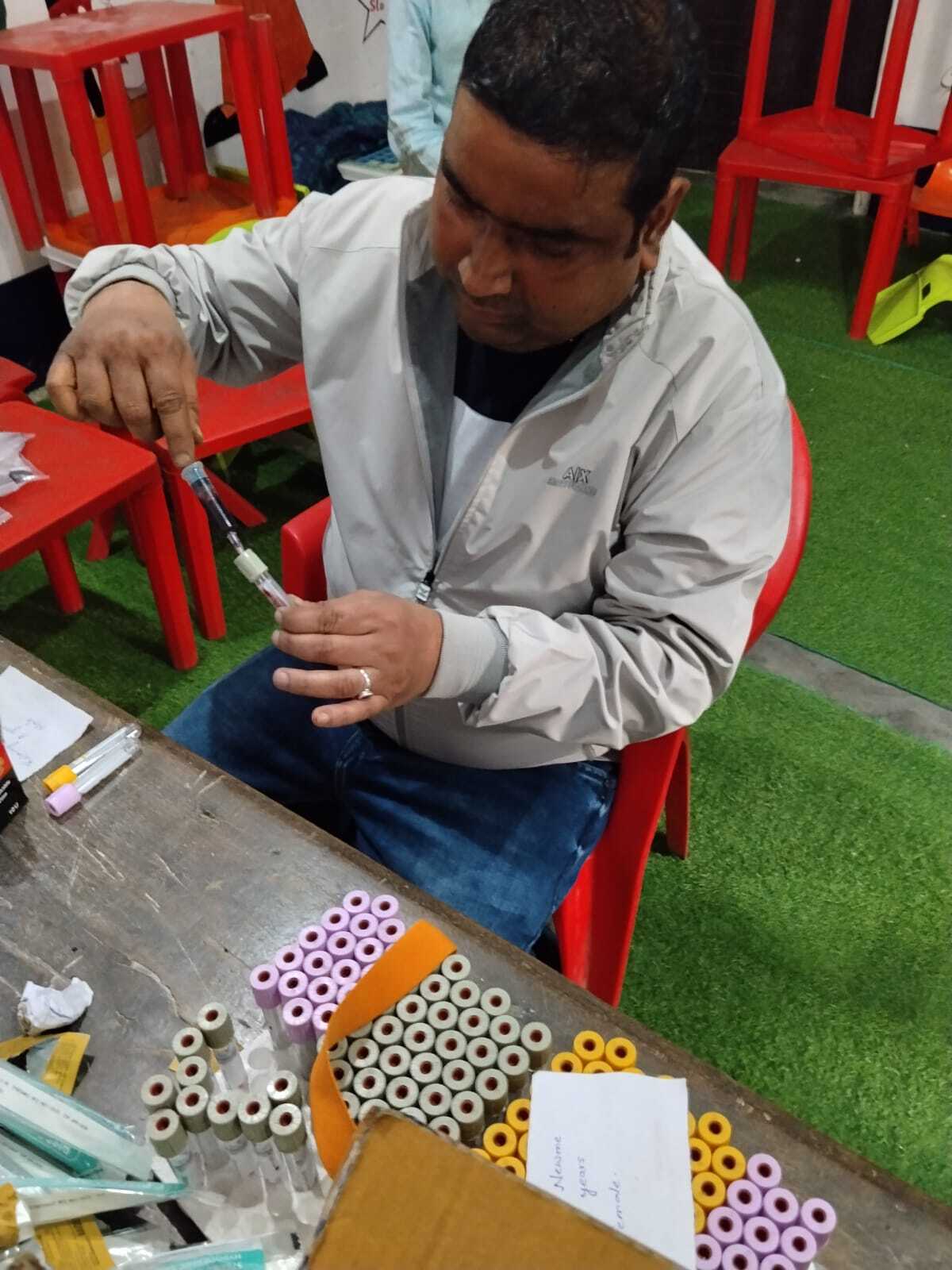
We nurture the emotional and psychological growth of our students through cultural roots and ethics.
Aesthetics & Arts: Children receive regular training in painting and local cultural expressions.
Value Education in Practice: Character-building is at the heart of GAP. Monastics conduct dedicated monthly moral education classes. To put values into action, children practice responsibility by helping clean their classrooms and washing their own utensils after meals.
Inspirational Media: We periodically screen educational and inspirational films, such as the animated movie "Veera Narendra Vivekananda" on the life of Swami Vivekananda, to instill noble qualities.
Educational Excursions: Learning extends beyond the classroom. We organize special educational tours for the children and teachers to beautiful regional landmarks, including the Boro Haflong View Point, Haflong Lake, and the scenic banks of the Diyung River.
We maintain high educational standards to sharpen young minds and improve critical thinking.
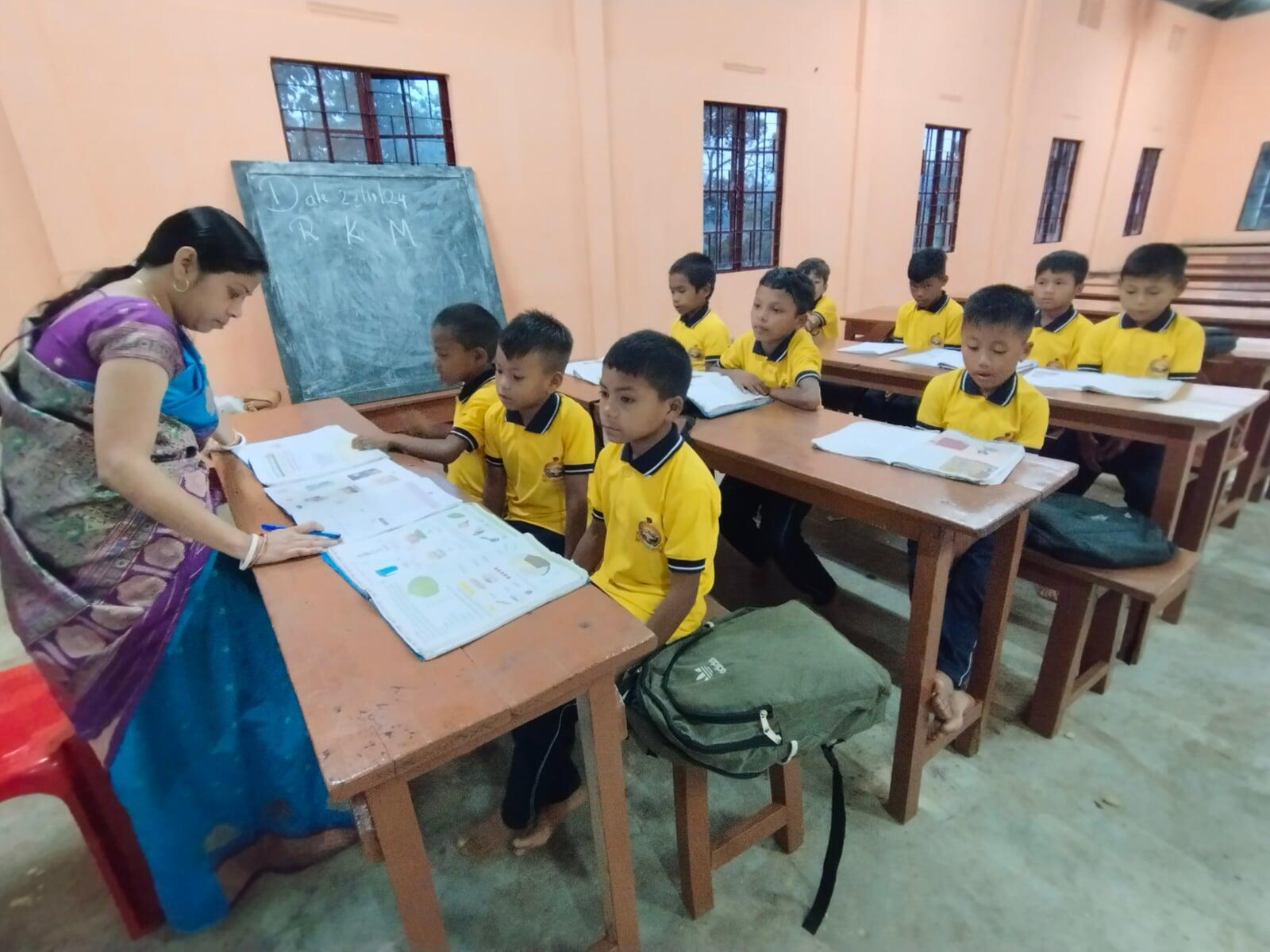
Coaching Classes: We maintain an optimal 1:29 teacher-to-student ratio with 2 dedicated coaching teachers running classes through a structured weekly routine covering English, Mathematics, Environmental Studies (EVS), Spelling dictation, and recitation.
Academic Evaluation: The children’s intellectual growth is strictly monitored via periodic half-yearly examinations covering core school subjects like English, Math, General Knowledge, Spelling, and EVS.
Project Performance & Community Engagement
Following its launch, the GAP program continues to partner closely with families to support regional development. We regularly arrange Parents' Meets—such as the one hosted on 8 March 2026—to open direct lines of feedback with guardians, ensure transparency, and reinforce our shared commitment to the bright future of these children